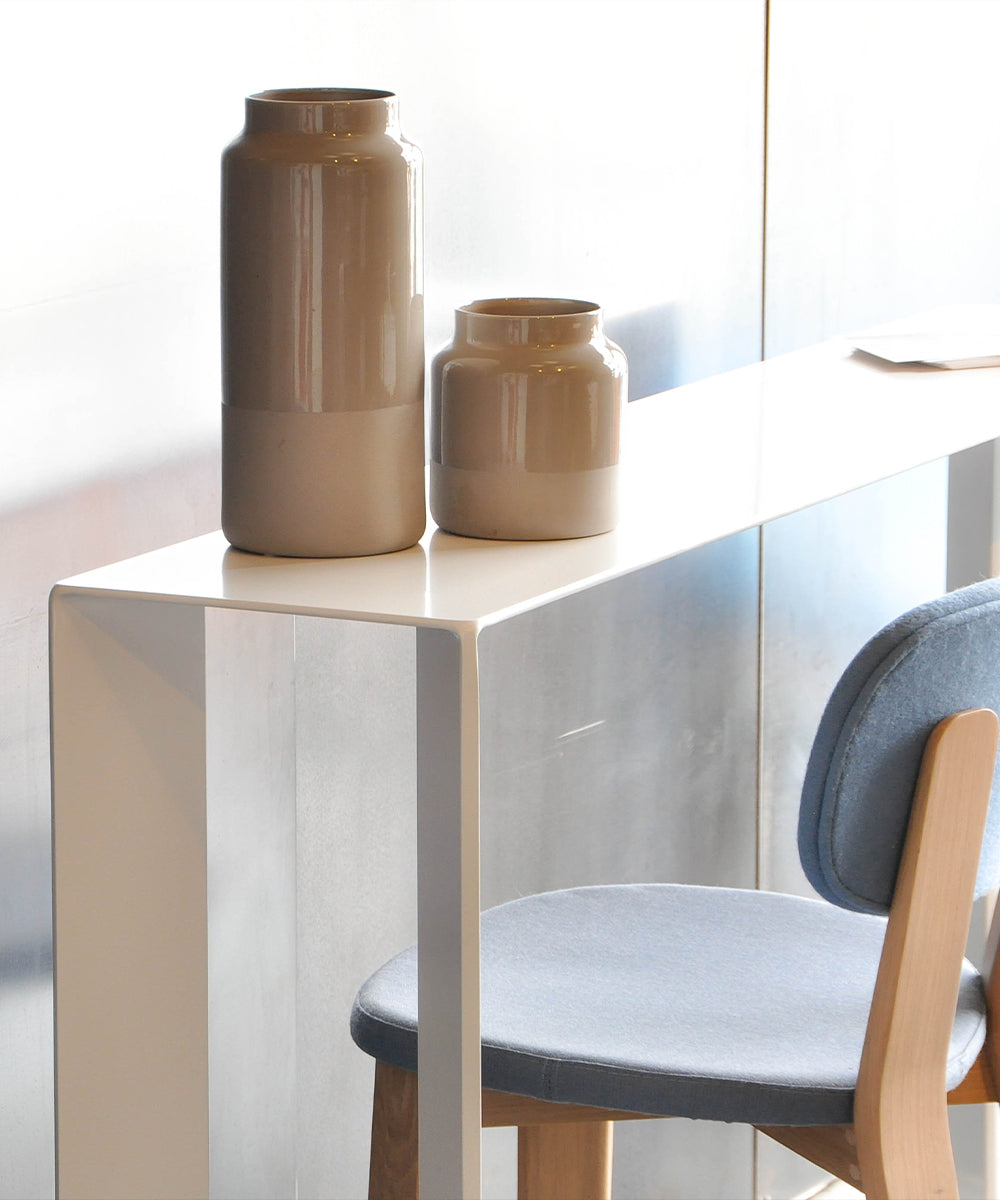
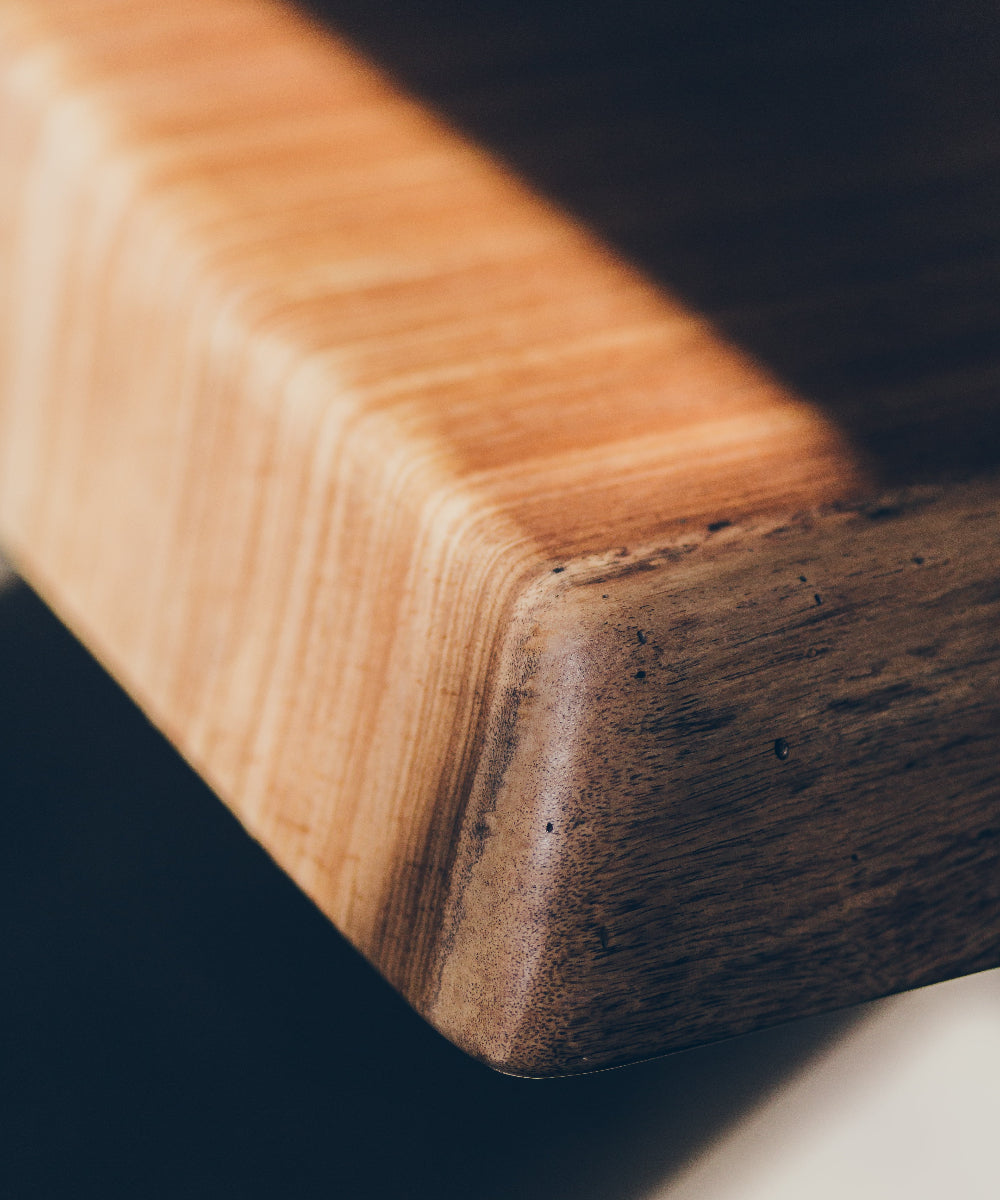
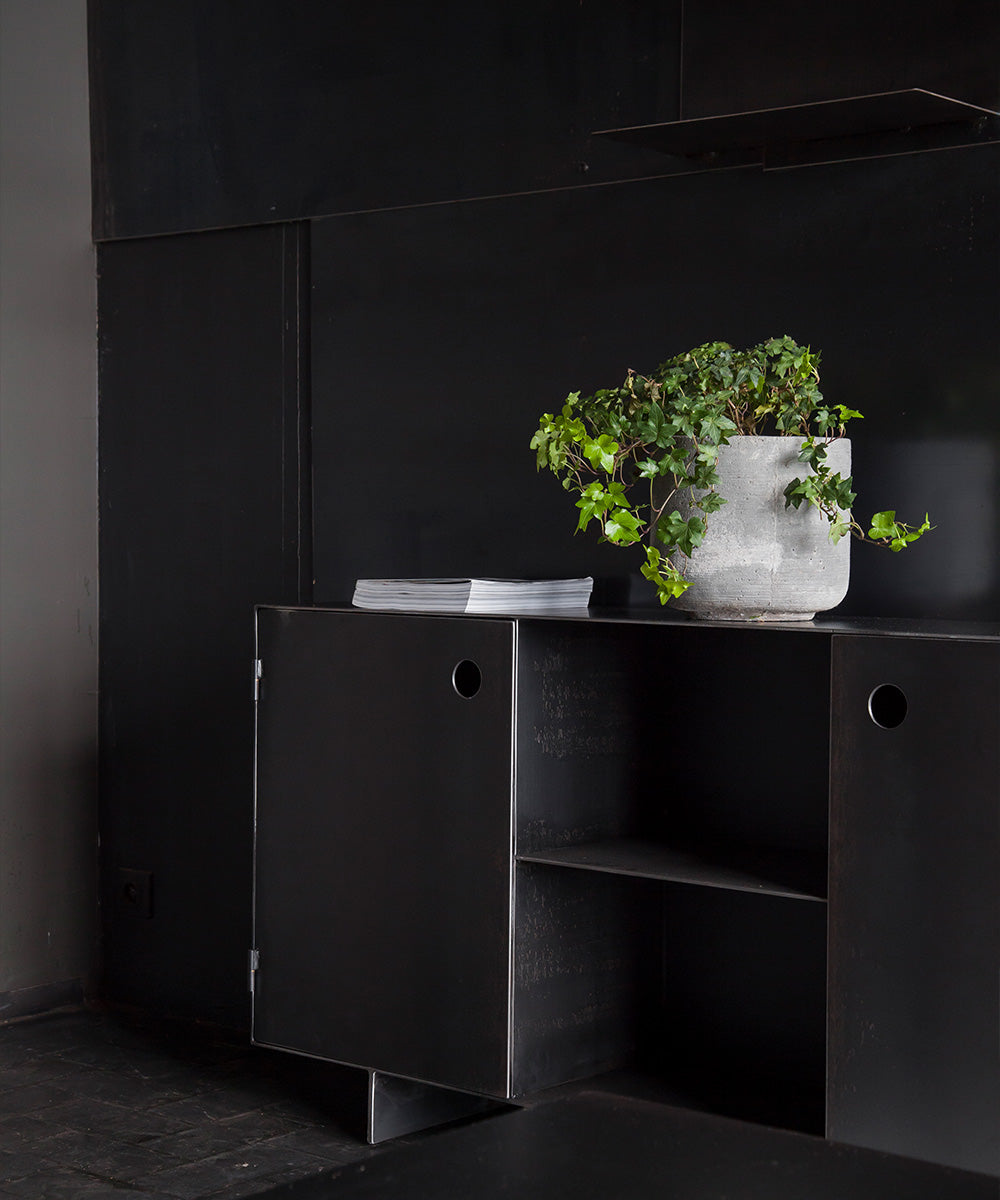
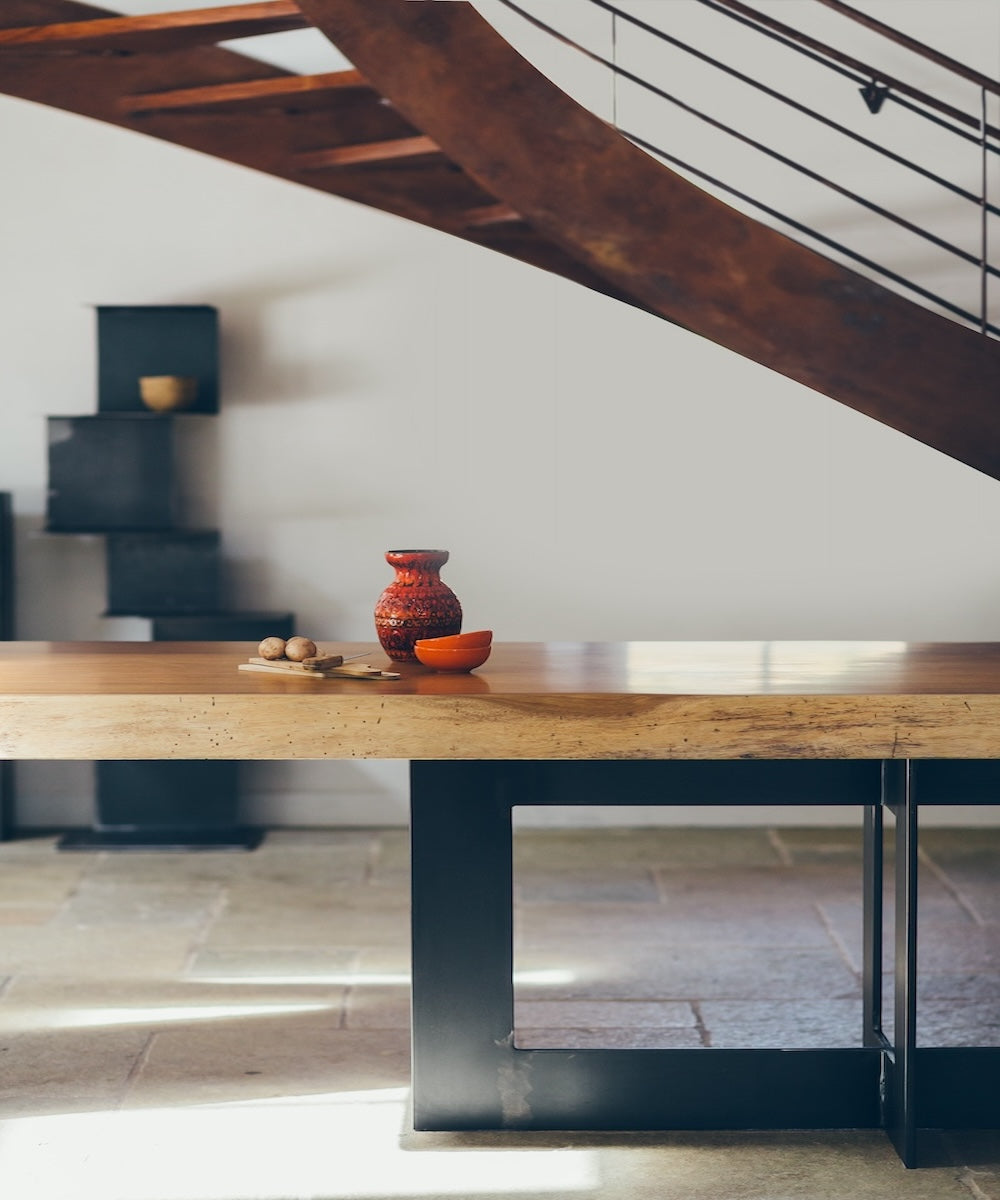
Collectible design is a relatively recent trend that merges the world of design with that of art and the collectibles market. It refers to the creation of objects with unique or limited designs, often produced in small batches, which, while functional, are primarily intended to be collected rather than used in a utilitarian way. This phenomenon is particularly popular in the fields of furniture, lighting, decorative objects, and more recently in fashion and digital objects such as NFTs. This movement and terminology are directly linked to our corporate culture at Blunt France.
"Collectible design transcends the functional object to become a work of art, a fusion of rarity, craftsmanship, and innovation. It is a way of transforming the ordinary into a unique sensory experience while telling a story."
The concept of collectible design originally emerged in the 2000s, in the context of the rise of contemporary art and the emergence of new creators and designers who rejected the traditional norms of globalized industrial production methods. This movement distinguishes itself from mass production through its pursuit of uniqueness and exclusivity. The objects are often designed by renowned designers, artists, or seasoned artisans who, through their name or aesthetic, add extra value to the object.
One of the first notable examples of this trend was the emergence of pieces by designers like Marc Newson or Ron Arad, who began producing objects that were both functional and artistic, in limited quantities. These objects were not merely decorative items; they were also part of an artistic approach, bringing cultural and emotional value to the object.
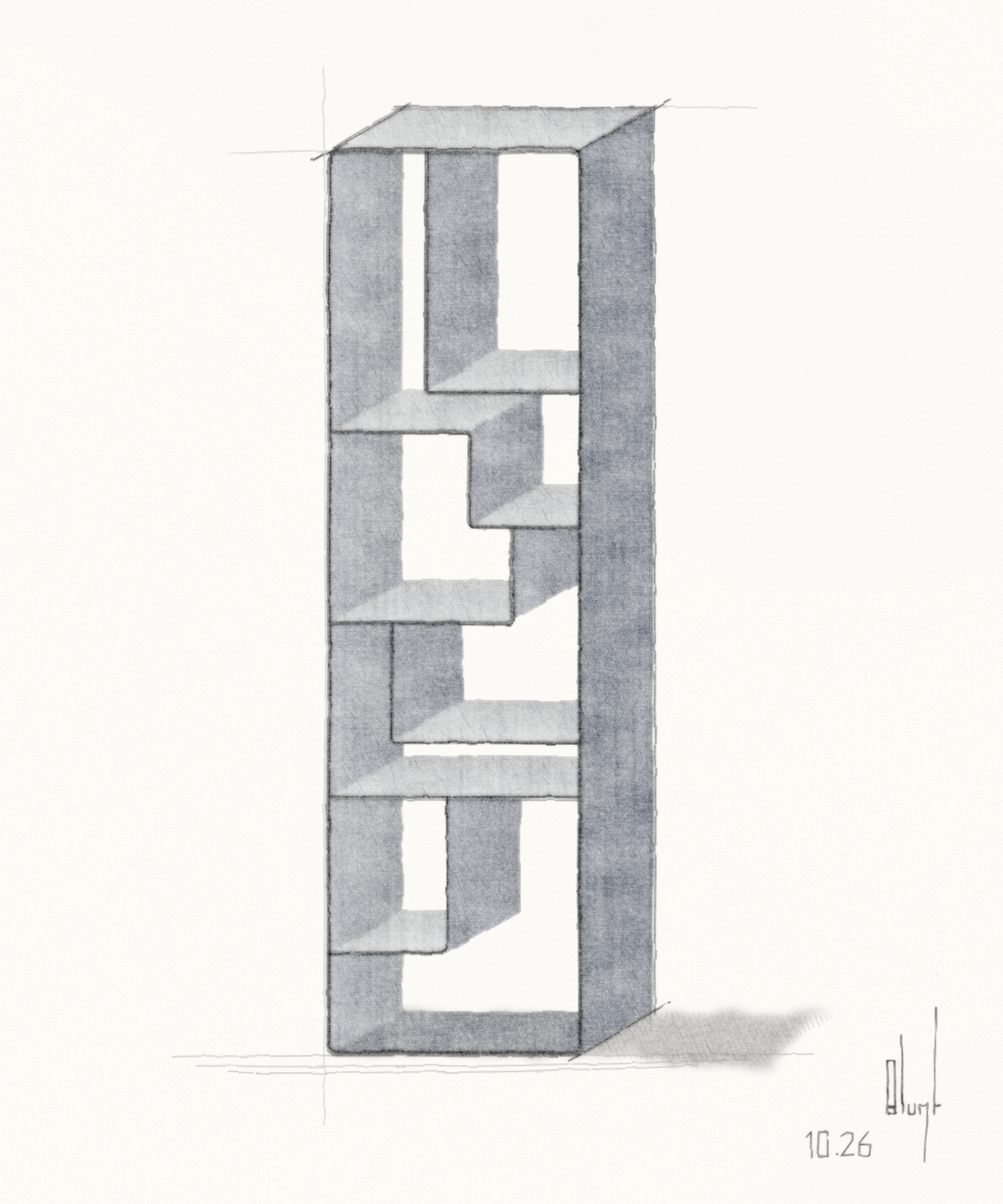
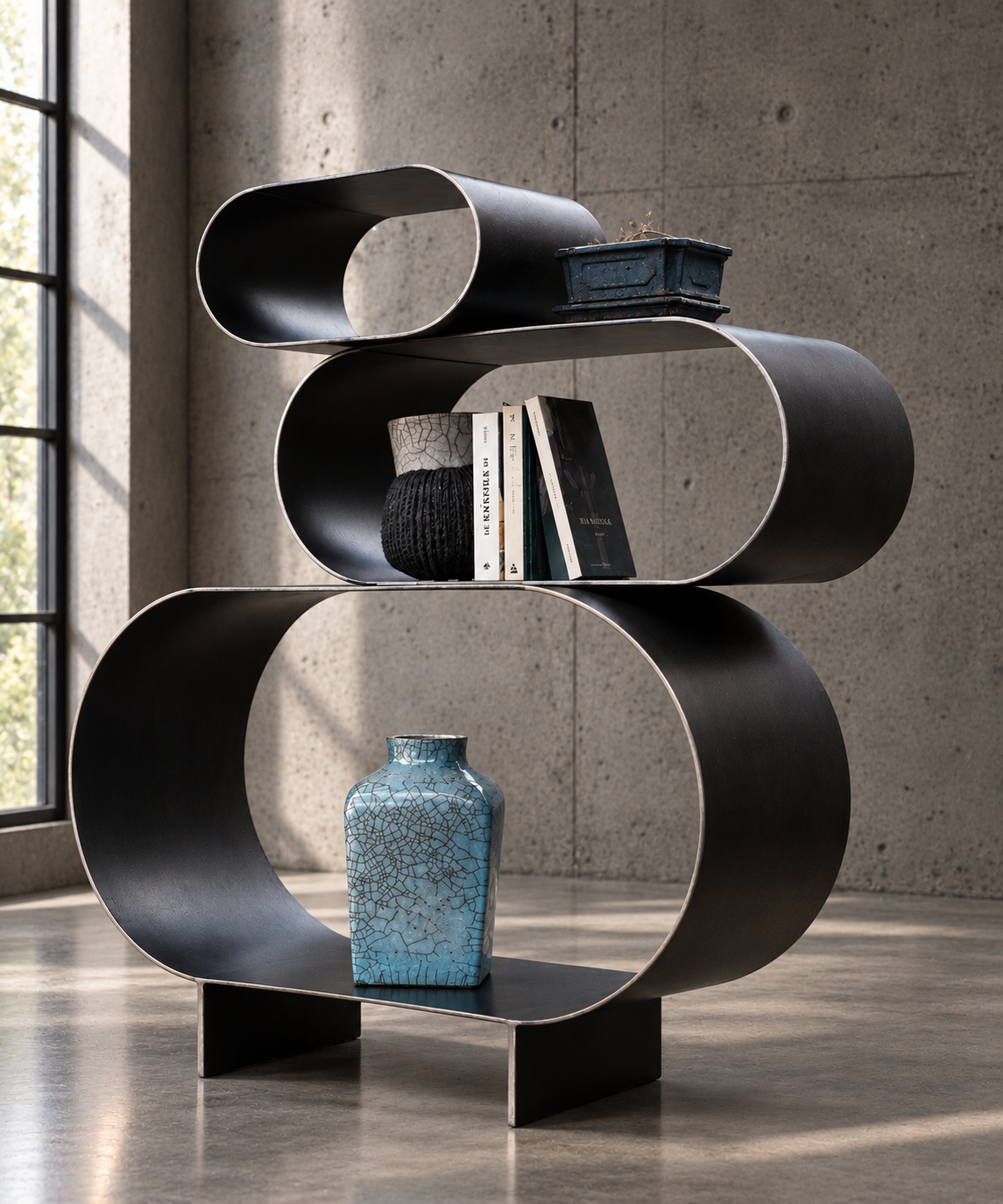
Produced in our Biarritz workshops since 2006, the Blunt France collections fully integrate this vision. Each piece is made to order and hand-signed with the year of creation.
To find out more: browse our furniture collections, or choose a unique piece from the Second Life selection.